Anu Põder
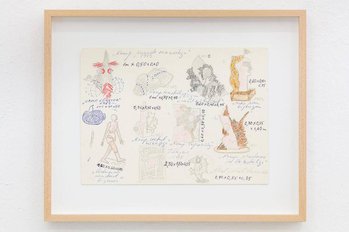
Anu Põder (1947–2013) was one of Estonia’s most distinctive sculptors and installation artists, whose practice keeps redefining the possibilities of sculpture in the late 20th century.
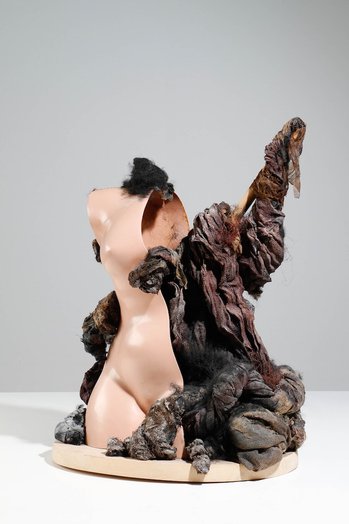
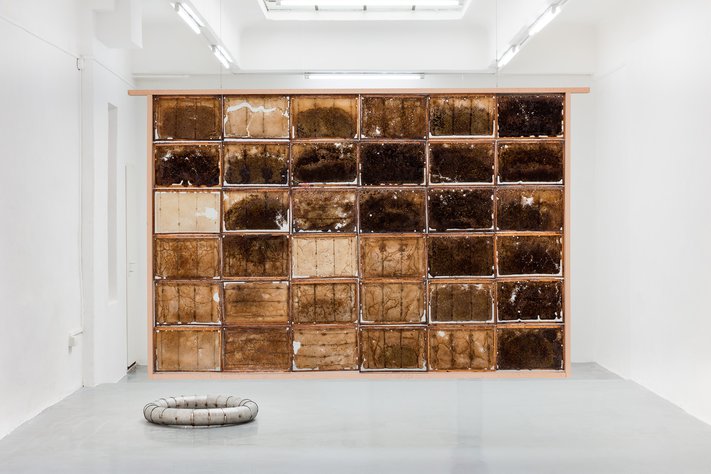
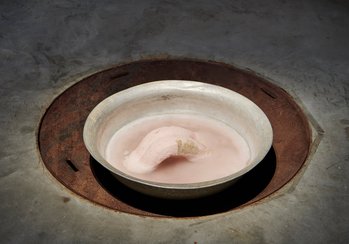
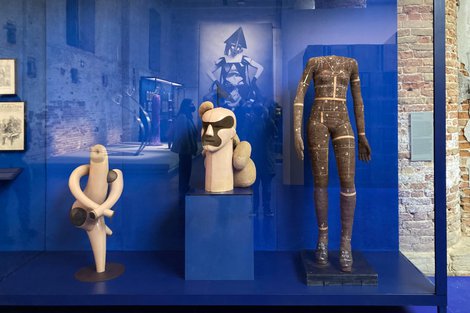
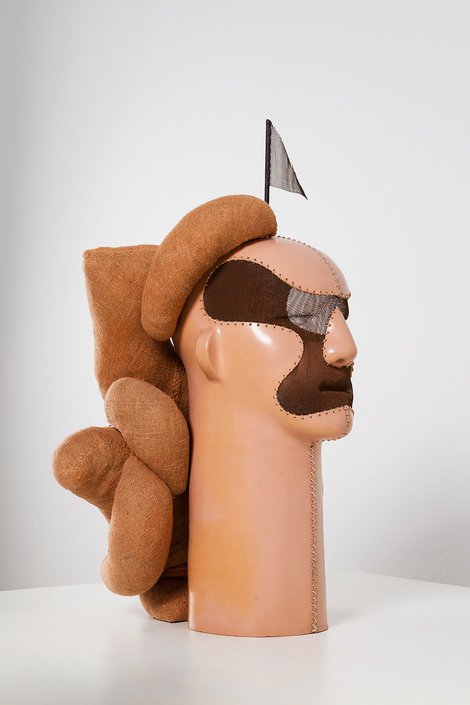
Born in 1947 in Kanepi, southern Estonia, Põder trained at the Tartu Art School and the Estonian State Art Institute (now the Estonian Academy of Arts), graduating in 1976. Her artistic education was rooted in classical sculpture favouring bronze and stone, yet she soon departed from convention, embracing fragile, impermanent materials such as textile, plastic, wax, rubber, soap and wood to explore themes of the body, memory and transformation.
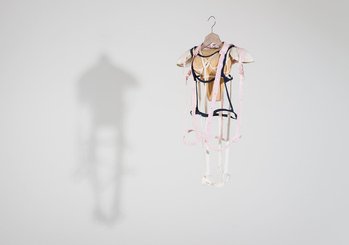
Working largely outside the male-dominated traditions of Estonian sculpture, Põder developed a uniquely intimate and tactile artistic language. Her works, often utilising fabrics and plastic casts of limbs and torsos, convey psychological tension and vulnerability while probing the boundaries between the physical and spiritual self. During the 1980s and 1990s, she became known for sculptures and installations that engaged deeply with the female experience, domestic life and the emotional landscapes of post-Soviet identity.
Despite the challenges of working as a single mother of three in Soviet Estonia, Põder maintained an independent and experimental approach. She taught sculpture at the Tallinn Art School and later at the Estonian Academy of Arts, influencing a new generation of artists. Põder’s work from early years of re-independent Estonia, such as Space for My Body (1995) and Long Bag (1994), marked a decisive shift from figuration toward installations addressing absence, trace and material memory.
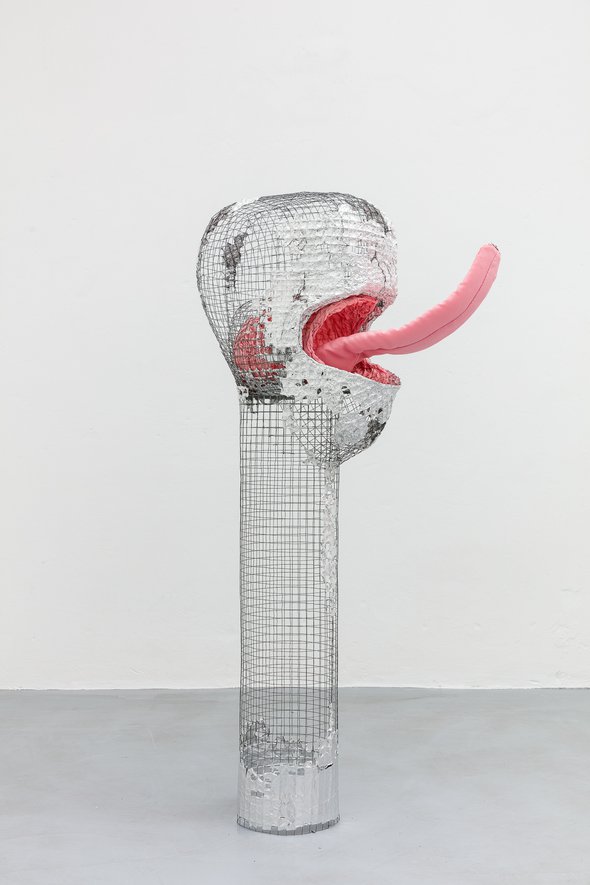
Following her death in 2013, Põder’s legacy continues to be be rediscovered internationally. Major retrospectives, including Be Fragile! Be Brave! (Kumu Art Museum, 2017; Pori Art Museum, 2019) and her inclusion in The Milk of Dreams, the main exhibition of the 2022 Venice Biennale curated by Cecilia Alemani, have positioned her among the leading voices in feminist and conceptual sculpture. In 2021, Tate Modern acquired her Tongues (Activated Version) (1998), making Põder the first Estonian artist represented in its collection.
The 2024 retrospective Anu Põder: Space for My Body, curated by Cecilia Alemani at Muzeum Susch in Switzerland, brought together over forty works from Estonian museum collections and the artist’s estate, many restored and exhibited for the first time in decades. Põder’s practice continues to resonate through its profound sensitivity to material, its quiet defiance and its insistence that the human body—vulnerable, transient, and resilient—remains a space for truth.
Born in 1947 in Kanepi, southern Estonia, Põder trained at the Tartu Art School and the Estonian State Art Institute (now the Estonian Academy of Arts), graduating in 1976. Her artistic education was rooted in classical sculpture favouring bronze and stone, yet she soon departed from convention, embracing fragile, impermanent materials such as textile, plastic, wax, rubber, soap and wood to explore themes of the body, memory and transformation.
Working largely outside the male-dominated traditions of Estonian sculpture, Põder developed a uniquely intimate and tactile artistic language. Her works, often utilising fabrics and plastic casts of limbs and torsos, convey psychological tension and vulnerability while probing the boundaries between the physical and spiritual self. During the 1980s and 1990s, she became known for sculptures and installations that engaged deeply with the female experience, domestic life and the emotional landscapes of post-Soviet identity.
Despite the challenges of working as a single mother of three in Soviet Estonia, Põder maintained an independent and experimental approach. She taught sculpture at the Tallinn Art School and later at the Estonian Academy of Arts, influencing a new generation of artists. Põder’s work from early years of re-independent Estonia, such as Space for My Body (1995) and Long Bag (1994), marked a decisive shift from figuration toward installations addressing absence, trace and material memory.
Following her death in 2013, Põder’s legacy continues to be be rediscovered internationally. Major retrospectives, including Be Fragile! Be Brave! (Kumu Art Museum, 2017; Pori Art Museum, 2019) and her inclusion in The Milk of Dreams, the main exhibition of the 2022 Venice Biennale curated by Cecilia Alemani, have positioned her among the leading voices in feminist and conceptual sculpture. In 2021, Tate Modern acquired her Tongues (Activated Version) (1998), making Põder the first Estonian artist represented in its collection.
The 2024 retrospective Anu Põder: Space for My Body, curated by Cecilia Alemani at Muzeum Susch in Switzerland, brought together over forty works from Estonian museum collections and the artist’s estate, many restored and exhibited for the first time in decades. Põder’s practice continues to resonate through its profound sensitivity to material, its quiet defiance and its insistence that the human body—vulnerable, transient, and resilient—remains a space for truth.
Anu Põder (1947–2013) was one of Estonia’s most distinctive sculptors and installation artists, whose practice keeps redefining the possibilities of sculpture in the late 20th century.
Born in 1947 in Kanepi, southern Estonia, Põder trained at the Tartu Art School and the Estonian State Art Institute (now the Estonian Academy of Arts), graduating in 1976. Her artistic education was rooted in classical sculpture favouring bronze and stone, yet she soon departed from convention, embracing fragile, impermanent materials such as textile, plastic, wax, rubber, soap and wood to explore themes of the body, memory and transformation.
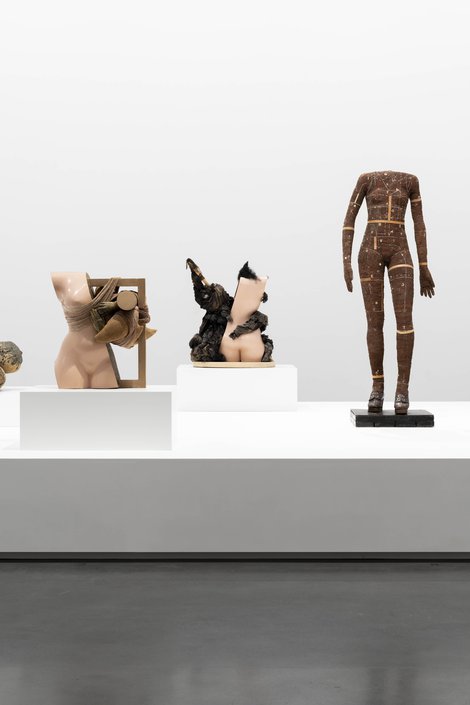
Working largely outside the male-dominated traditions of Estonian sculpture, Põder developed a uniquely intimate and tactile artistic language. Her works, often utilising fabrics and plastic casts of limbs and torsos, convey psychological tension and vulnerability while probing the boundaries between the physical and spiritual self. During the 1980s and 1990s, she became known for sculptures and installations that engaged deeply with the female experience, domestic life and the emotional landscapes of post-Soviet identity.
Despite the challenges of working as a single mother of three in Soviet Estonia, Põder maintained an independent and experimental approach. She taught sculpture at the Tallinn Art School and later at the Estonian Academy of Arts, influencing a new generation of artists. Põder’s work from early years of re-independent Estonia, such as Space for My Body (1995) and Long Bag (1994), marked a decisive shift from figuration toward installations addressing absence, trace and material memory.
Following her death in 2013, Põder’s legacy continues to be be rediscovered internationally. Major retrospectives, including Be Fragile! Be Brave! (Kumu Art Museum, 2017; Pori Art Museum, 2019) and her inclusion in The Milk of Dreams, the main exhibition of the 2022 Venice Biennale curated by Cecilia Alemani, have positioned her among the leading voices in feminist and conceptual sculpture. In 2021, Tate Modern acquired her Tongues (Activated Version) (1998), making Põder the first Estonian artist represented in its collection.
The 2024 retrospective Anu Põder: Space for My Body, curated by Cecilia Alemani at Muzeum Susch in Switzerland, brought together over forty works from Estonian museum collections and the artist’s estate, many restored and exhibited for the first time in decades. Põder’s practice continues to resonate through its profound sensitivity to material, its quiet defiance and its insistence that the human body—vulnerable, transient, and resilient—remains a space for truth.
Born in 1947 in Kanepi, southern Estonia, Põder trained at the Tartu Art School and the Estonian State Art Institute (now the Estonian Academy of Arts), graduating in 1976. Her artistic education was rooted in classical sculpture favouring bronze and stone, yet she soon departed from convention, embracing fragile, impermanent materials such as textile, plastic, wax, rubber, soap and wood to explore themes of the body, memory and transformation.
Working largely outside the male-dominated traditions of Estonian sculpture, Põder developed a uniquely intimate and tactile artistic language. Her works, often utilising fabrics and plastic casts of limbs and torsos, convey psychological tension and vulnerability while probing the boundaries between the physical and spiritual self. During the 1980s and 1990s, she became known for sculptures and installations that engaged deeply with the female experience, domestic life and the emotional landscapes of post-Soviet identity.
Despite the challenges of working as a single mother of three in Soviet Estonia, Põder maintained an independent and experimental approach. She taught sculpture at the Tallinn Art School and later at the Estonian Academy of Arts, influencing a new generation of artists. Põder’s work from early years of re-independent Estonia, such as Space for My Body (1995) and Long Bag (1994), marked a decisive shift from figuration toward installations addressing absence, trace and material memory.
Following her death in 2013, Põder’s legacy continues to be be rediscovered internationally. Major retrospectives, including Be Fragile! Be Brave! (Kumu Art Museum, 2017; Pori Art Museum, 2019) and her inclusion in The Milk of Dreams, the main exhibition of the 2022 Venice Biennale curated by Cecilia Alemani, have positioned her among the leading voices in feminist and conceptual sculpture. In 2021, Tate Modern acquired her Tongues (Activated Version) (1998), making Põder the first Estonian artist represented in its collection.
The 2024 retrospective Anu Põder: Space for My Body, curated by Cecilia Alemani at Muzeum Susch in Switzerland, brought together over forty works from Estonian museum collections and the artist’s estate, many restored and exhibited for the first time in decades. Põder’s practice continues to resonate through its profound sensitivity to material, its quiet defiance and its insistence that the human body—vulnerable, transient, and resilient—remains a space for truth.